EMBRYONAL CARCINOMA PRESENTING AS CERVICAL LYMPHADENOPATHY: A CASE REPORT ON THE DIAGNOSTIC DILEMMA OF ORIGIN
DOI:
https://doi.org/10.55374/jseamed.v10.269Keywords:
embryonal carcinoma, germ cell tumor, lymphadenopathy, extragonadal germ cell tumor, BEP protocol, spontaneous neoplasm regressionAbstract
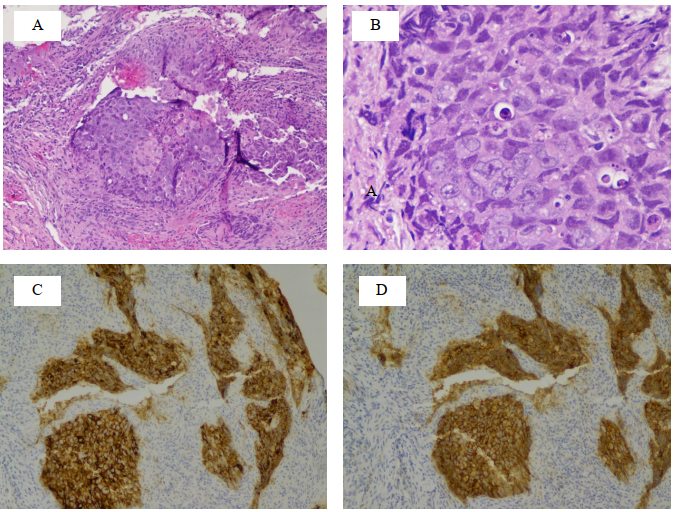
The presence of an embryonal carcinoma in a cervical lymph node, in the absence of a palpable testicular mass, presents a diagnostic dilemma regarding whether this represents a rare primary extragonadal germ cell tumor (EGCT) of the neck or a metastasis from an occult spontaneously regressed testicular cancer. We report the case of a 34-year-old male presenting with isolated left cervical lymphadenopathy. Initial physical examination of the testes was unremarkable, potentially supporting a diagnosis of primary cervical origin. However, markedly elevated serum tumor markers (lactate dehydrogenase [LDH] and alpha-fetoprotein [AFP]), alongside a beta-human chorionic gonadotropin (beta-hCG) level within normal limits, prompted a search for a gonadal primary. Scrotal ultrasound revealed a calcified scar in the left testis, and subsequent orchiectomy confirmed a fibrotic nodule with no viable malignancy, consistent with the spontaneous regression of a primary tumor. The patient was treated for Stage IIIC non-seminomatous germ cell tumor (NSGCT) with bleomycin, etoposide, and cisplatin (BEP) chemotherapy and remains disease-free at 3 years. This case illustrates that primary cervical EGCT is a diagnosis of exclusion. The spontaneous regression phenomenon must be rigorously investigated via ultrasound and orchiectomy to avoid misdiagnosis and ensure appropriate multimodal therapy.
Downloads
Metrics
References
Ulbright TM. Germ cell tumors of the gonads: a selective review emphasizing problems in differential diagnosis, newly appreciated entities, and staging. Mod Pathol 2005; 18 Suppl 2: S61-79. DOI: https://doi.org/10.1016/S0893-3952(22)04459-3
Bokemeyer C, Nichols CR, Droz JP, Schmoll HJ, Horwich A, Gerl A, et al. Extragonadal germ cell tumors of the mediastinum and retroperitoneum: results from an international analysis. J Clin Oncol 2002; 20: 1864-73. DOI: https://doi.org/10.1200/JCO.2002.07.062
Liu WN, Yu TY. Clinical presentation of advanced extragonadal embryonal carcinoma mimicking classical hodgkin lymphoma. J Cancer Res Pract 2022; 9: 34-6. DOI: https://doi.org/10.4103/JCRP.JCRP_17_21
Das DK, Majumdar SKD, Barik SK, Mishra P, Parida GK. Burned-out testicular tumor presenting as cervical and retroperitoneal lymphadenopathy. Oncol J India 2023; 2: 26-29. DOI: https://doi.org/10.4103/oji.oji_5_23
International Germ Cell Consensus Classification: a prognostic factor-based staging system for metastatic germ cell cancers. International Germ Cell Cancer Collaborative Group. J Clin Oncol 1997; 15: 594-603. 6. Scholz M, Zehender M, Thalmann GN, Borner M, Thöni H, Studer UE. Extragonadal retroperitoneal germ cell tumor: evidence of origin in the testis. Ann Oncol 2002; 13: 121-4. DOI: https://doi.org/10.1200/JCO.1997.15.2.594
Woodward PJ, Sohaey R, O’Donoghue MJ, Green DE. Tumors and tumor-like lesions of the testis: radiologic-pathologic correlation. Radiographics 2002; 22: 189-216. DOI: https://doi.org/10.1148/radiographics.22.1.g02ja14189
Azzopardi JG, Mostofi FK, Theiss EA. Lesions of testes observed in certain patients with widespread choriocarcinoma and related tumors. The significance and genesis of hematoxylin-staining bodies in the human testis. Am J Pathol 1961; 38: 207-25.
Balzer BL, Ulbright TM. Spontaneous regression of testicular germ cell tumors: an analysis of 42 cases. Am J Surg Pathol 2006; 30: 858-65. 10. Astigueta JC, Abad-Licham MA, Agreda FM, Lepe JA. Spontaneous testicular tumor regression: case report and historical review. Ecancermedicalscience 2018; 12: 888.
Downloads
Published
How to Cite
Issue
Section
License
Copyright (c) 2026 Journal of Southeast Asian Medical Research

This work is licensed under a Creative Commons Attribution-NonCommercial-NoDerivatives 4.0 International License.
The Journal of Southeast Asian Medical Research will hold the copyright to all published articles. The publisher's production department handles copyright forms once a manuscript is accepted and scheduled for publication.